Faux Embroidery Canva Frame Letters: A Designer's Digital Toolkit
Capturing Textile Charm in a Digital Template
There is an undeniable warmth and nostalgia associated with embroidery. It evokes memories of family heirlooms, handmade gifts, and a tactile sense of comfort. In design, this feeling is incredibly powerful. It communicates care, craftsmanship, and authenticity. However, achieving a convincing embroidered look digitally has often been a complex process, requiring advanced software skills or purchasing expensive, pre-made graphics that lack customization. This is where the Faux Embroidery Canva Frame Letters change the game for creators and entrepreneurs.
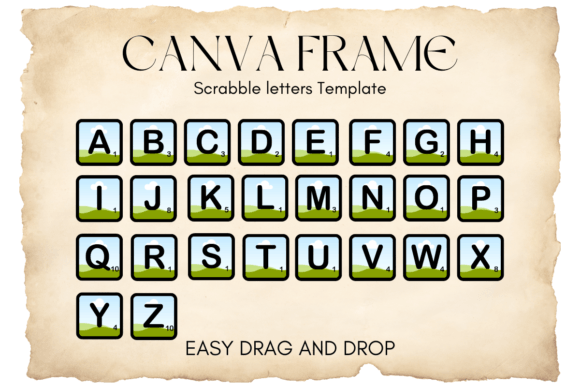
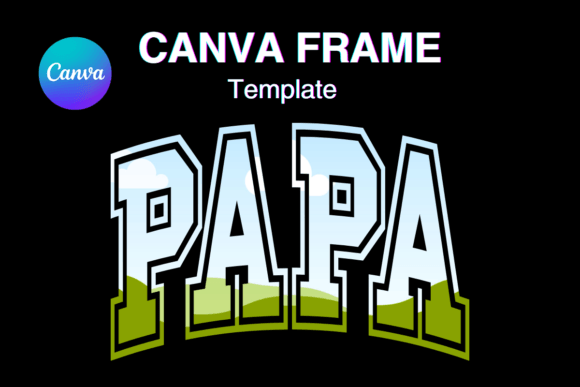
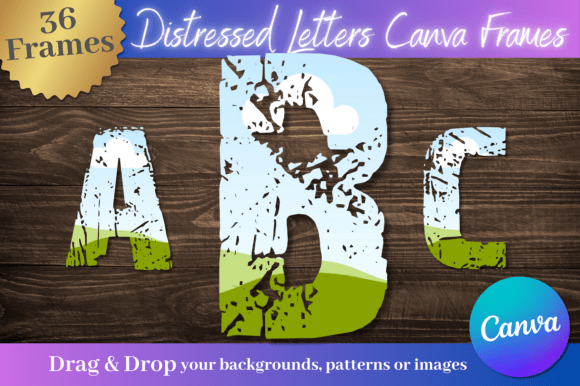
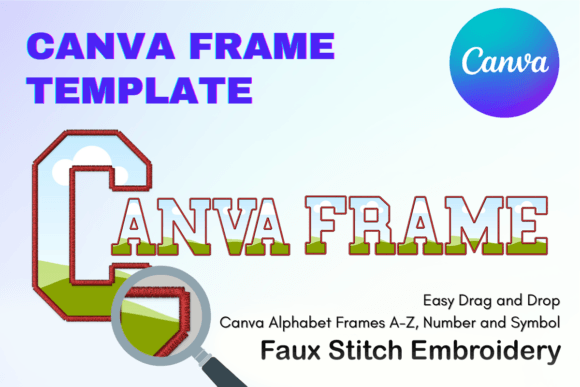
This resource is not a traditional font file you install. Instead, it is an editable Canva template delivered as a PDF containing a direct link. Once opened in Canva, you are presented with a collection of letter frames. Each letter has been meticulously designed to mimic the texture, dimension, and stitch patterns of real embroidery. The beauty of this system is its simplicity. You are not just typing letters; you are placing your own text, patterns, or images inside these pre-shaped frames. The result is a completely customized, faux-embroidered monogram or word that looks handcrafted, yet is achieved in minutes.
The visual characteristics are what make this style so appealing. Think of the raised, textured look of satin stitch letters on a vintage sweatshirt or the bold outline of a chain stitch. These templates capture that aesthetic with subtle shading and stitch-like details that add depth and realism. The personality is friendly, nostalgic, and distinctly handmade. It straddles the line between retro charm and modern craft, making it versatile for a wide range of projects. Whether you are designing a logo for a boutique craft shop, creating social media graphics for a lifestyle brand, or personalizing a digital invitation, this style instantly adds a layer of tactile interest that flat, digital typefaces cannot replicate.
Practical Applications for the Modern Creator
Understanding where this creative asset fits into your workflow is key to maximizing its value. Its strength lies in projects that aim to feel personal, artisanal, or cozy. For brand identity, particularly for small businesses in the handmade, wellness, or lifestyle sectors, these letters can form the cornerstone of a logo or sub-brand. Imagine a bakery using these frames for its "Homemade" tagline or a yoga studio using them for a "Mindful" mantra. The style immediately sets a tone of care and quality.
In marketing and social media graphics, visual hierarchy and stopping power are crucial. A bold, textured headline created with the Faux Embroidery frames can make an Instagram post or Facebook ad stand out in a crowded feed. It adds a unique textural element that breaks the monotony of standard graphic design. For packaging design, especially for artisan goods, cosmetics, or gourmet foods, using this style for a product name or key descriptor can reinforce the product's handmade, premium nature on the shelf.
The utility extends into publishing and editorial design. A magazine feature on home decor or a blog header about DIY crafts can use these letters to visually underscore the theme. For personal projects, the applications are nearly endless: creating unique monograms for wedding websites, designing custom apparel quotes for a family reunion, or crafting standout titles for digital scrapbooks. The key is recognizing that this is a display font solution—meant for headlines, logos, and short, impactful phrases where its detailed texture can be fully appreciated, not for body copy.
Integrating Texture into Your Design Strategy
Adopting a new design asset like this requires thinking beyond mere aesthetics. It influences how your audience perceives your brand. The faux embroidery style can significantly enhance brand perception by associating your business with values like authenticity, tradition, and attention to detail. It fosters a sense of connection, as if each piece was made with intention. This can boost audience engagement, as people are drawn to visuals that feel human and relatable.
When considering font pairing, balance is essential. Because the embroidery letters are rich in texture, they pair best with cleaner, simpler typefaces. A classic sans serif font for body text or a straightforward serif font can provide a clean backdrop, allowing the embroidered letters to command attention without visual clutter. Avoid pairing them with other highly decorative or textured script fonts or handwritten fonts, as this can create a chaotic and unreadable composition. The goal is contrast, not competition.
From a practical standpoint, the Canva template format offers incredible flexibility. The 12x12 inch paper size is a standard digital canvas, but as noted, sizes are approximate and can be scaled to suit your needs. This is perfect for adapting a single design for a social media post, a website banner, or a printed poster. The transparent layer is a critical feature, allowing you to place your finished letters over any background color, pattern, or image seamlessly. This makes it an ideal tool for vinyl sublimation projects, where you need a clean design to transfer onto mugs, t-shirts, or tote bags.
Before finalizing any project, test your creation across different contexts. View it on a mobile device to ensure the texture remains clear at small sizes. Print a test page if your project is destined for physical media. While the digital file provides the template, the final success depends on your creative choices—the colors you fill the frames with, the background you place them on, and the complementary fonts you select. This asset is a powerful starting point, but your unique vision is what brings it to life. It is a practical, modern solution for injecting timeless, handmade charm into a digital world.