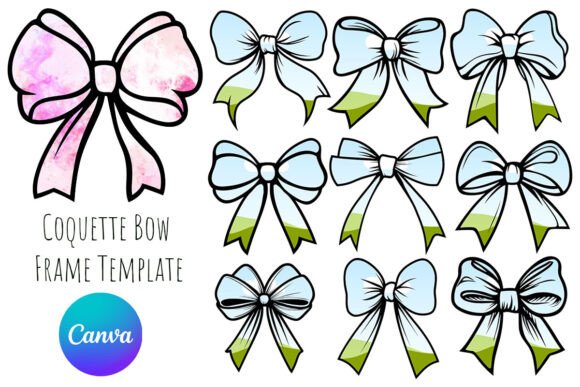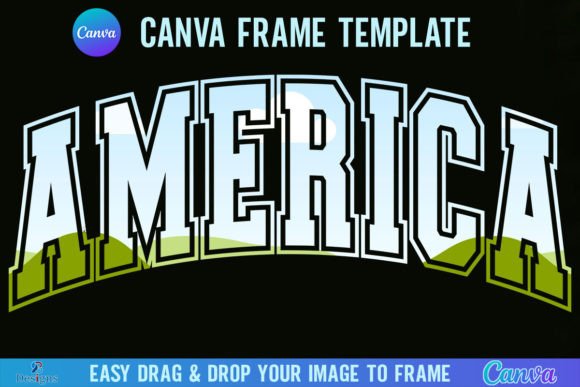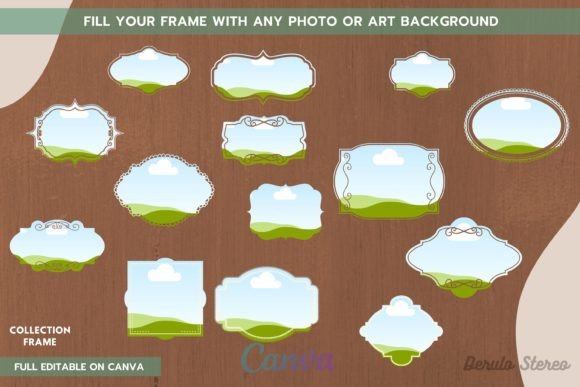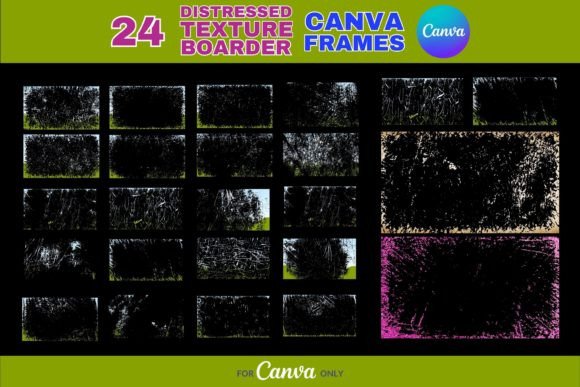
Elevate Your Designs with a Scalloped Edge Pattern Template
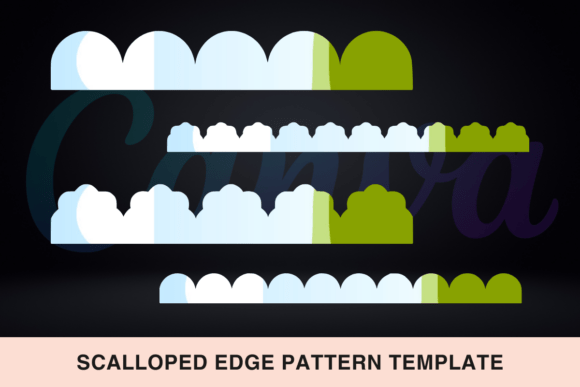
There’s a certain charm to a scalloped edge. It’s a detail that feels both playful and refined, instantly adding a layer of texture and personality to any visual. A Scalloped Edge Pattern Template isn't just a border; it's a design asset that can transform a flat image into something tactile and memorable. Think of the gentle, repeating curves found on vintage valentines, classic stationery, or the decorative trim on a ceramic plate. This pattern brings that same sense of handcrafted elegance into your digital projects, offering a versatile tool for creating frames, accents, and backgrounds that feel both sophisticated and inviting.
More Than a Border: The Visual Personality of Scallop Patterns
The appeal of the scalloped edge lies in its soft, rhythmic repetition. Unlike a sharp, geometric frame, the scallop introduces a gentle flow that guides the eye in a pleasing, almost organic way. It strikes a unique balance—it's decorative without being distracting, and structured without feeling rigid. This makes a Scalloped Edge Pattern Template incredibly versatile. Depending on the color, scale, and application, it can evoke different moods. A fine, monochromatic scallop can feel minimalist and modern, perfect for web design or a sophisticated brand identity. A larger, multi-colored version might lean into a retro or playful aesthetic, ideal for social media graphics or event invitations.
This pattern works exceptionally well as a framing device. Imagine using it to encircle a profile photo, highlight a key testimonial on a website, or create a standout feature in editorial design. Its inherent texture adds depth, preventing designs from looking overly digital or sterile. For packaging design, a scalloped edge can suggest quality and care, hinting at a product that is artisanal or thoughtfully made. It’s a detail that speaks volumes about a brand's attention to detail and aesthetic sensibility.
Where This Pattern Shines: Practical Applications
Integrating a Scalloped Edge Pattern Template into your workflow is straightforward, especially when it's a fully editable design asset. Here’s where it can make a real impact:
- Social Media & Digital Content: Create eye-catching Instagram story highlights, Pinterest pin borders, or YouTube thumbnail frames. The pattern helps your content stand out in a crowded feed, adding a professional touch that boosts engagement.
- Branding & Marketing: Use it to frame elements on business cards, letterheads, or email newsletter headers. It can become a recognizable part of your brand identity, adding a unique signature detail that customers remember.
- Publishing & Editorial: In magazines, books, or blogs, scalloped frames can elegantly set apart pull quotes, author bios, or chapter headings, improving visual hierarchy and reader experience.
- Product & Packaging: Apply it to labels, thank-you cards, or promotional flyers for a small business. It conveys a sense of handmade quality and care, enhancing the perceived value of your product.
- Personal Projects: From digital scrapbooking and wedding invitations to printable wall art, this pattern adds a beautiful, decorative flourish to personal creations.
Making It Work: A Practical Guide to Using Scallop Frames
To get the most out of a Scalloped Edge Pattern Template, consider a few key principles. First, scale is everything. A large, bold scallop makes a strong statement and works well for posters or social media posts. A smaller, more delicate scallop is better suited for detailed work like business cards or intricate logo design elements. Always test how the pattern looks at the final output size.
Next, think about color and contrast. A high-contrast scallop (like a dark edge on a light background) will be bold and graphic. A low-contrast, tone-on-tone approach creates a subtle, textured effect that feels more sophisticated. Don’t be afraid to use the pattern as a filled background, scaled up to create an interesting, repetitive texture behind text or images.
Finally, consider pairing and composition. The scalloped pattern is a decorative element, so it often pairs best with cleaner, simpler typefaces. A clean sans serif font or a straightforward serif font can provide a nice balance, ensuring your message remains clear and readable. Use the pattern to create visual hierarchy—let it frame the most important element on the page, whether that’s a product photo, a call-to-action button, or a key piece of text.
When you choose a template, look for one that offers flexibility. A good Scalloped Edge Pattern Template should be easily editable in a platform like Canva, allowing you to change colors, resize elements, and drag-and-drop your own content into the frames. This adaptability ensures the pattern can evolve with your projects, making it a valuable long-term addition to your toolkit of design assets. By thoughtfully applying this charming detail, you can consistently create visuals that are not only professional but also genuinely engaging.